Preparative Chromatography Instrumentation
Preparative Chromatography Course
1 - Fundamentals of Preparative Chromatography
3 - Preparative Chromatography Instrumentation
4 - Key Considerations: Part 1
5 - Key Considerations: Part 2
6 - Column Selection
7 - Automated Preparative Purification Instrumentation - UFPLC
8 - Automatic Analytical to Preparative Scale Up
9 - Triggering Fractionation
10 - Preparative SFC
11 - Course Summary & Test

Preparative Chromatography Instrumentation
Welcome back to our Preparative Chromatography Online Course, where in this unit, we will be looking at the different parts that make up a prep instrument.
If you have used HPLC’s before, you will be comfortable with most of the modules that comprise a prep LC system. We need to have:
- A pumping unit capable of pushing the mobile phase around the instrument
- A means of introducing the sample into the mobile phase
- A mode of separating the compound of interest from impurities, side reactions or starting material
- A suitable technique for detecting the compounds based on the physicochemical properties of the analyte
- A method of collecting the fraction of interest
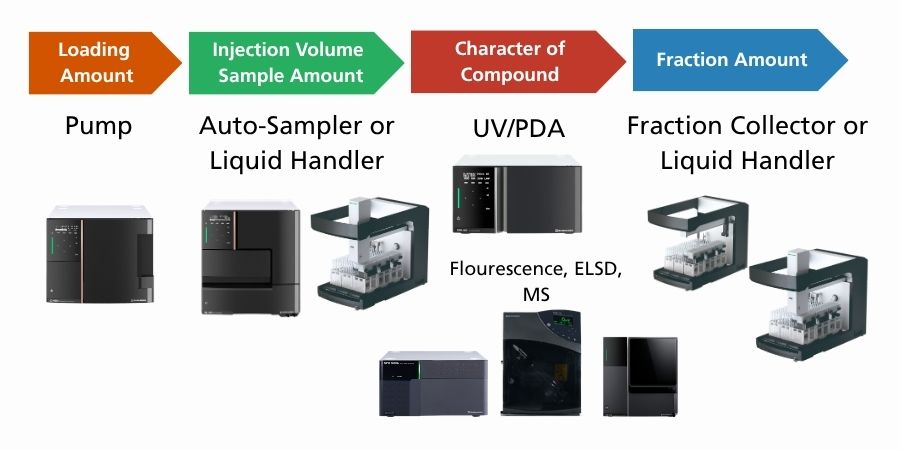
Figure 1. Preparative Chromatography System Components
Click on each of the module images below to find out more information.
Additional modules can be included, such as column hubs, recycling valves, solvent selection valves and degassers. These can enhance the functionality of the system, but the main units are all described above.
In the next unit, we will continue our journey to learn more about the critical questions to understand such as impact of solvent and temperature on chromatography, as well as loading studies.
Best regards,
Your Shimadzu Chromatography Team
Related Resources
-
-
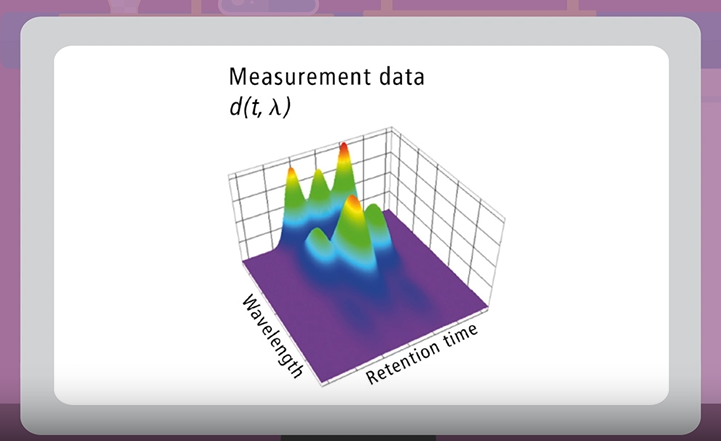
Watch short videos explaining analytical intelligence features of Shimadzu HPLC systems
-