
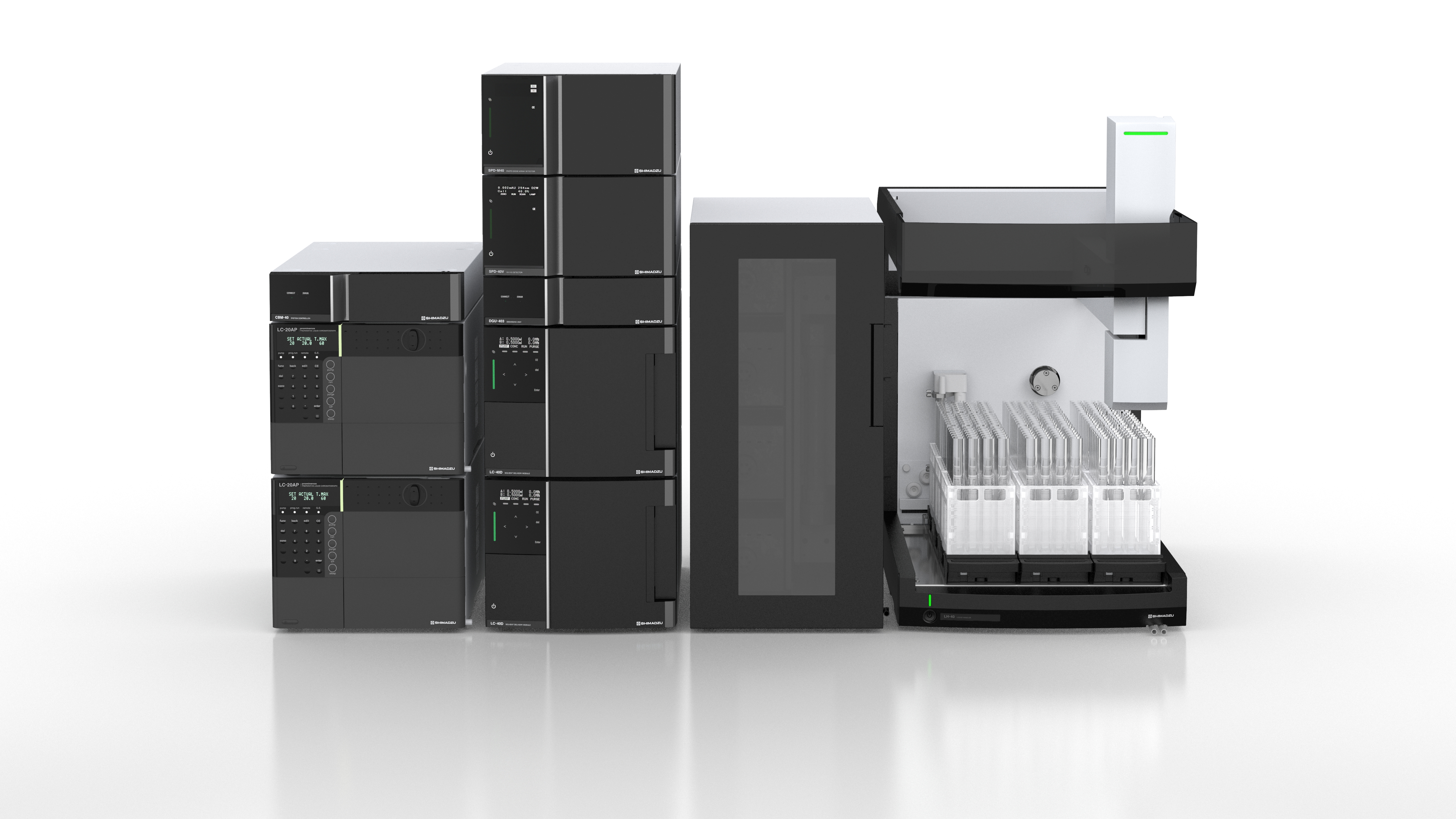
Scalable purification solutions for efficient compound isolation and high-purity separations.


Preparative Chromatography Course
1 - Fundamentals of Preparative Chromatography
3 - Preparative Chromatography Instrumentation
4 - Key Considerations: Part 1
5 - Key Considerations: Part 2
7 - Automated Preparative Purification Instrumentation - UFPLC
8 - Automatic Analytical to Preparative Scale Up
9 - Triggering Fractionation
10 - Preparative SFC
11 - Course Summary & Test

Welcome to this 6th course unit on an Introduction to Preparative Chromatography. We have learned a lot over the last few course units about standard preparative chromatography, including key considerations as well as typical instrument setup. In this unit, we will be investigating a novel preparative technique which aimed to revolutionise the technique and streamline processes.
In conventional preparative chromatography, collected fractions are diluted with the mobile phase, resulting in large volumes that require significant time for solvent evaporation. Additional post-treatment steps, such as the removal of salts derived from the mobile phase, are also often necessary.
These extra processes can be costly, requiring additional equipment such as rotary evaporators, electricity, solvents, and operator time before a compound is obtained in a suitable form for further use.
A traditional preparative workflow typically involves:
These manual steps can be tedious, labour-intensive, and time-consuming.

These challenges drove the development of Shimadzu’s innovative Nexera UFPLC purification system. Ultra-Fast Preparative Liquid Chromatography (UFPLC) automatically performs the various processes associated with preparative isolation of target compounds through a combination of preparative LC and trapping columns.
The process consists of three main stages:
Up to five compounds of interest can be collected in enriched trapping columns from a single chromatographic run. This capability helps reduce processing time and minimises sample loss, which can be particularly important when only limited quantities of material have been synthesised.
Fractions are collected using a heart-cutting approach. Peaks can be selected:
Automatically by mass or other detector parameters
By retention time
Manually through the software interface
Replicate injections can also be performed to further enrich the trapping cartridges and increase the concentration of the desired compound.

Following fractionation, the trapping cartridges can undergo online purification procedures, including:
- Automatically by mass or other detector parameters
- By retention time
- Manually through the software interface
An example of a trapping cartridge containing concentrated target compounds and impurities prior to purification is shown in figure beside. Compared to conventional approaches, evaporation can be performed up to 90% faster, while the entire purification sequence remains fully automated.
During the elution stage, the desired compound is backflushed from the trapping cartridge using an organic solvent. This produces a highly concentrated, high-purity fraction in a solvent composition that is much easier and faster to evaporate. The purified sample can then be re-analysed on an analytical LC system to verify purity.

As illustrated here, the traditional workflow can take significantly longer to complete due to the multiple manual post-fractionation steps involved.
By reducing or eliminating these downstream processing requirements, UFPLC can deliver results up to 18 times faster than conventional preparative workflows.

For preparation and purification by UFPLC, the dedicated Purification Solution software is used. Purification Solution facilitates the entire process, from setting the preparative conditions to the liquid recovery of the target compound on a simple user interface. The Purification Solution operation screen is shown here.
The chromatogram of preparative separation, the trapping column into which fractions were introduced, and the elution chromatogram after purification are displayed on a single screen. It allows the user to confirm the entire process of preparative purification for the target compounds at a glance.

Let’s look at a real example where ibuprofen is purified on a standard preparative LC vs the Nexera UFPLC Table 1. The column was maintained between the two systems, however, the amount of load which can be collected is 5x greater on the UFPLC due to the trapping columns.

The standard system has the fraction collected in the mobile phase which is higher in aqueous solvent than the concentrated fraction which is eluted from the trapping column in high organic solvents. This reduced the drying time by over half. The quality of the powderised compound is also superior on the UFPLC after drying as the standard results in co-precipitation of mobile phase derived compounds.
That’s the end of this unit which has introduced the concept of UFPLC and how it can significantly reduce the processes involved from preparative work to purification and powderisation. Next time, we will be looking at a streamlined approach for automatically generating optimal preparative conditions from the analytical scale up to the preparative scale; ASAPrep.
Best regards,
Your Shimadzu Chromatography Team
Scalable purification solutions for efficient compound isolation and high-purity separations.
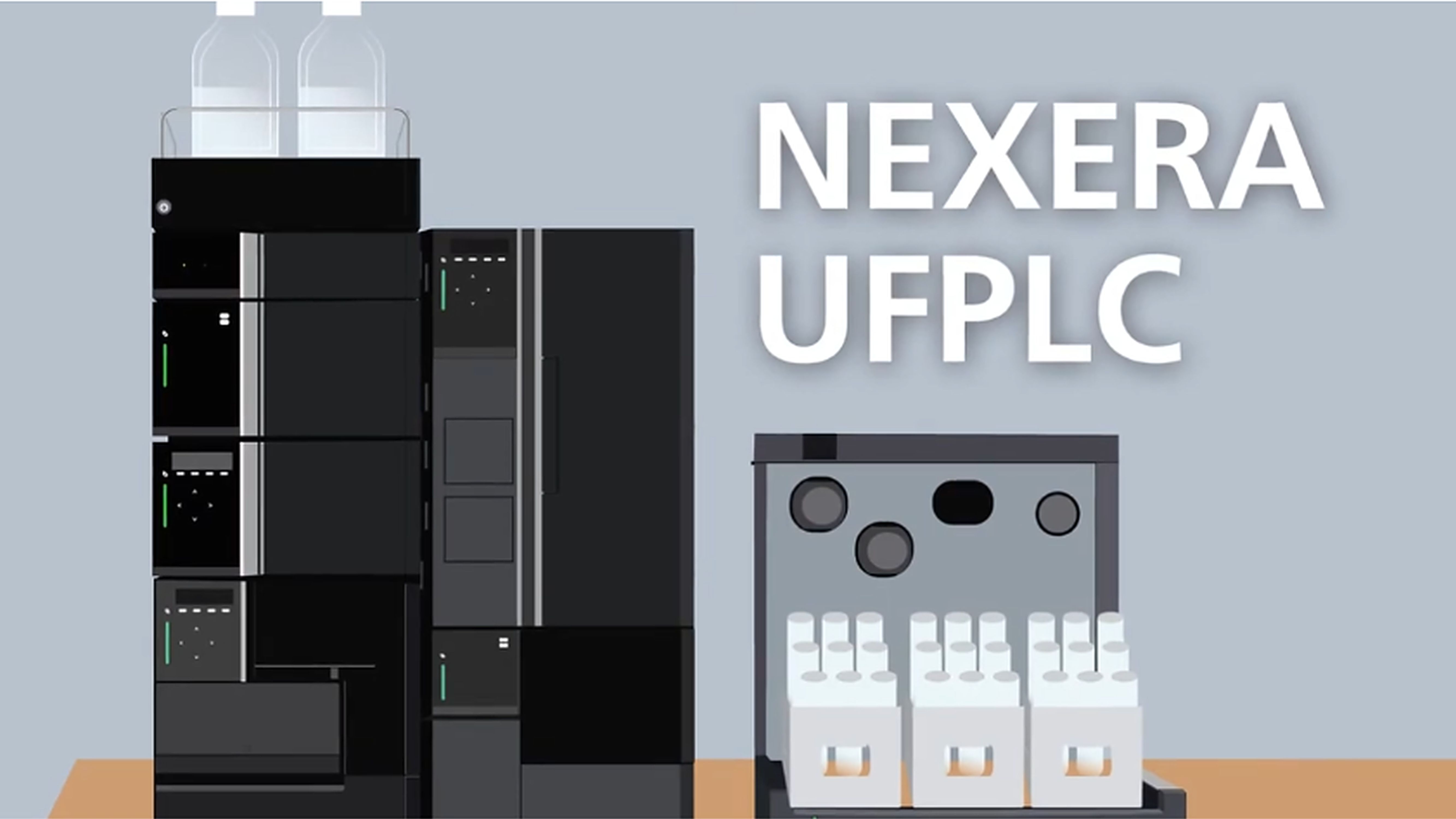
See how UFPLC technology delivers faster analyses, improved throughput, and reliable results.
Discover how Syngenta uses UFPLC to enhance analytical workflows and support research goals.