Automatic analytical to preparative scale up: ASAPrep
Preparative Chromatography Course
1 - Fundamentals of Preparative Chromatography
3 - Preparative Chromatography Instrumentation
4 - Key Considerations: Part 1
5 - Key Considerations: Part 2
7 - Automated Preparative Purification Instrumentation - UFPLC
8 - Automatic Analytical to Preparative Scale Up
9 - Triggering Fractionation
10 - Preparative SFC
11 - Course Summary & Test

Automatic Analytical to Preparative Scale Up: ASAPrep
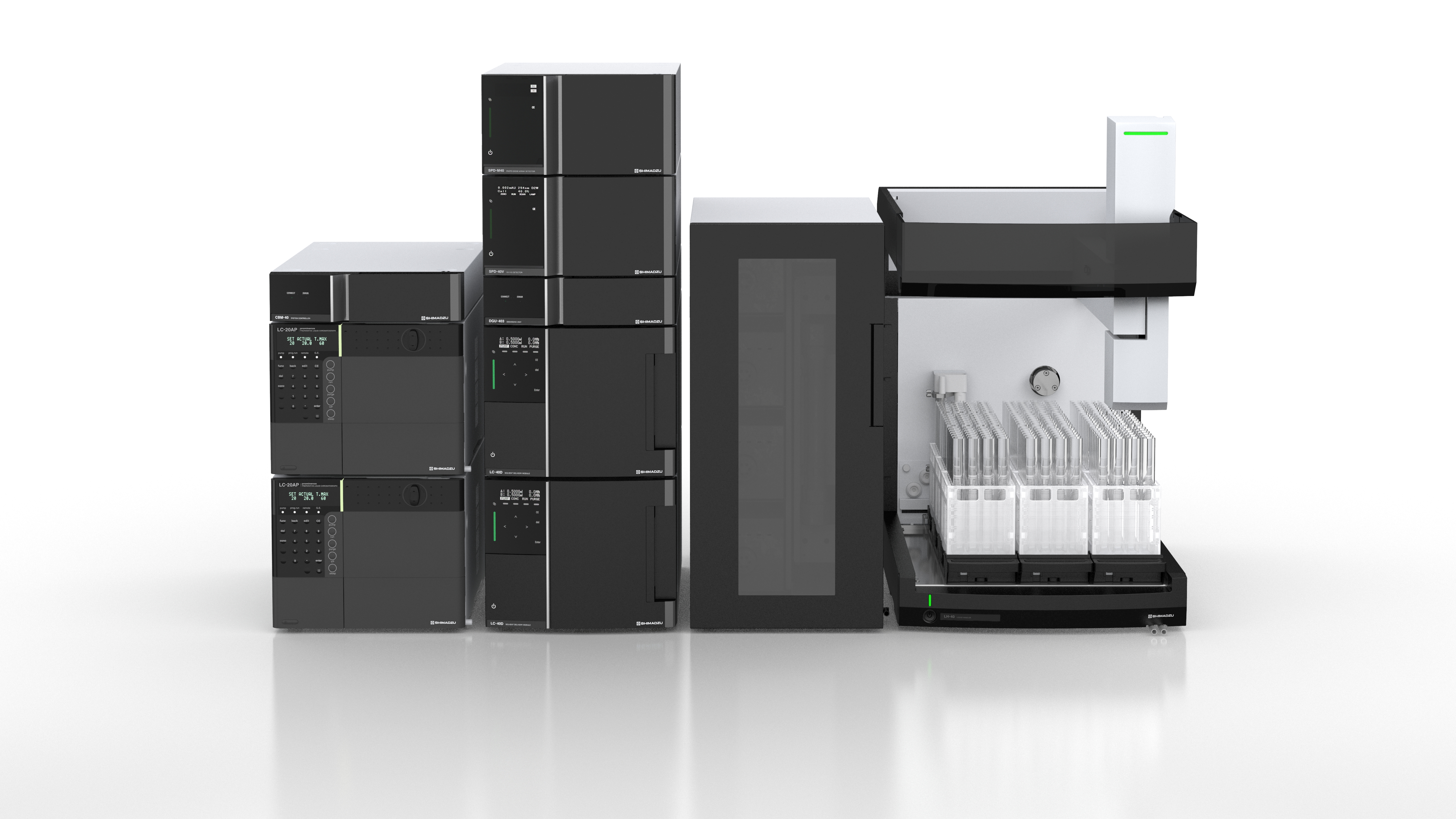
Welcome back for this seventh course unit, which is based on a unique solution to automate and optimise compound purification and isolation; ASAPrep. This innovative system employs an algorithm to increase efficiency of compound purification. Let’s take a look.
Challenges of Conventional Preparative Chromatography

In preparative HPLC purification, ideally, the chromatographic separation is evaluated under generic conditions, followed by optimisation of the separation using focused conditions. An investigation of the maximum loading amounts on analytical scale is then performed before confirming reproducibility and adjusting the loading amounts on the preparative scale (green arrow).
However, the process of optimising the separation requires know-how and a lot of work hours on preparative HPLC. Therefore, if the above-mentioned workflow is applied to all synthetic compounds that require purification, the overall throughput of the preparative laboratory will be drastically decreased, including also additional work for HPLC expert users. In preparative purification using HPLC, a shortcut workflow may be taken for the purpose of improving throughput but also comes with inherent risk.
After analyses under prefixed initial conditions, preparative HPLC conditions are set based on the retention time of the target compound on analytical scale and preparative purification is directly executed (red arrow). While this flow can be expected to increase throughput because it skips optimising the separation, it is unavoidable that the risk that the target compound and impurities may be co-eluted during preparative purification. In addition, it is difficult to eliminate human factors from preparative purification process, since the selection of the workflow requires the judgment by preparative HPLC expert to reduce the risk.
Example: Separation of Vanillin and Impurities

In this example, vanillin was assessed using the acidic and basic analytical conditions, where the acidic mobile phase proved more appropriate for separation of the compound of interest from the impurities and for peak shape. Vanillin is an acidic species, where the pKa was above that of the acidic conditions which kept the compound in its unionised form, thereby improving peak symmetry.

The acidic screening results were then transferred to the preparative analysis, where the gradient was adjusted using the ASAPrep algorithm. ASAPrep initially verifies the retention time of the target compound using the analytical scale LC data. The retention time of the target compound is then used by the ASAPrep algorithm to calculate the focused gradient profile for the preparative scale separation to deliver the highest purity and recovery of the collected LC fraction. The position of the impurities is of little consequence – the aim of the separation is to have sufficient resolution of the vanillin peak, which can be seen in the second, shallower gradient.
Example: Separation of Bifonazole and Impurities

Bifonazole is a hydrophobic, basic species with a pKa around 6.6. Under acidic conditions, it is ionised, whilst under basic conditions, the amine functionality is unionised. The chromatograms in Figure 5 shows the greatest potential under basic conditions to resolve the peak of interest from the impurities.

The screening results suggested that the starting %B needed to be increased from 5% up to 58.2%, to finish at 78.2%. This then ramps up to 100% organic to flush off strongly retained species.
This course has provided a brief overview of the power of ASAPrep compared to conventional approaches for optimising the focus gradient in preparative chromatography. Next time is our penultimate unit, where we will be looking at the different approaches for triggering fractionation.
Best regards,
Your Shimadzu Chromatography Team
Related Resources
-
-
Watch short videos explaining analytical intelligence features of Shimadzu HPLC systems
-