Baseline Disturbances
LCMS Troubleshooting Course
6 - Changes in Peak Shape - Part 2
9 - Baseline Disturbances
10 - Retention Time Fluctuations - Part 1
11 - Retention Time Fluctuations - Part 2
12 - Changes in Chromatographic Resolution
13 - Changes in MS Response
14 - Undesired Fragmentation & Ion Source Settings
15 - Course Summary & Quiz
High Background Signal & Contamination
Welcome back to the LCMS Troubleshooting Course. This week we are looking at high background signal and how this can impact on our results. High background noise reduces sensitivity and can mask analyte peaks. It often signals contamination, matrix effects, or system cleanliness issues.
Symptoms often include:
| Issue | Description | Solution |
|---|---|---|
| Sample / Matrix Effects | Sample and / or the sample matrix are often a primary cause of excessive background noise in mass spectrometry due to contamination. Impurities or over concentration can also introduce persistent signals. |
Dilute or re-filter samples
Ensure analyte - compatible matrices
Avoid extreme pH
|
| Mobile Phase Contamination / Deterioration | This can be caused by solvent bottles not being sufficiently cleaned out before use, or improper practices such as using parafilm to cover bottles or poor quality solvents. |
Use fresh LCMS grade solvents and additives
Rinse solvent bottles thoroughly to ensure they are clean
Replace degraded stocks
|
| Instrument Contamination (Ion Source, Capillary etc) | Residues on the ion source, or in the desolvation line can cause noise in the background |
Clean the ion source, transfer capillary and optics with suitable solvents.
Run blanks to verify improvement
|
| Column Contamination | The HPLC column is also susceptible to contamination. Proper column selection is critical - ensure the column is MS compatible, as not all columns are recommended for use in mass spectrometry. Additionally, other parameters such as temperature, pressure, and pH range must be adhered to when handling chromatographic columns. Additionally, retained matrix compounds can slowly bleed out of the column. |
Flush or backflush column
Run a gradient from low to high organic to remove strongly retained compounds from the stationary phase
To exclude the column as the source of contamination, remove it from the flow path and perform a blank test run
|
| Verification Steps |
Run blank injections (no sample)
Compare m/z peaks to known contaminant tables to quickly identify sources
Test solvents alone to rule out solvent contamination
|
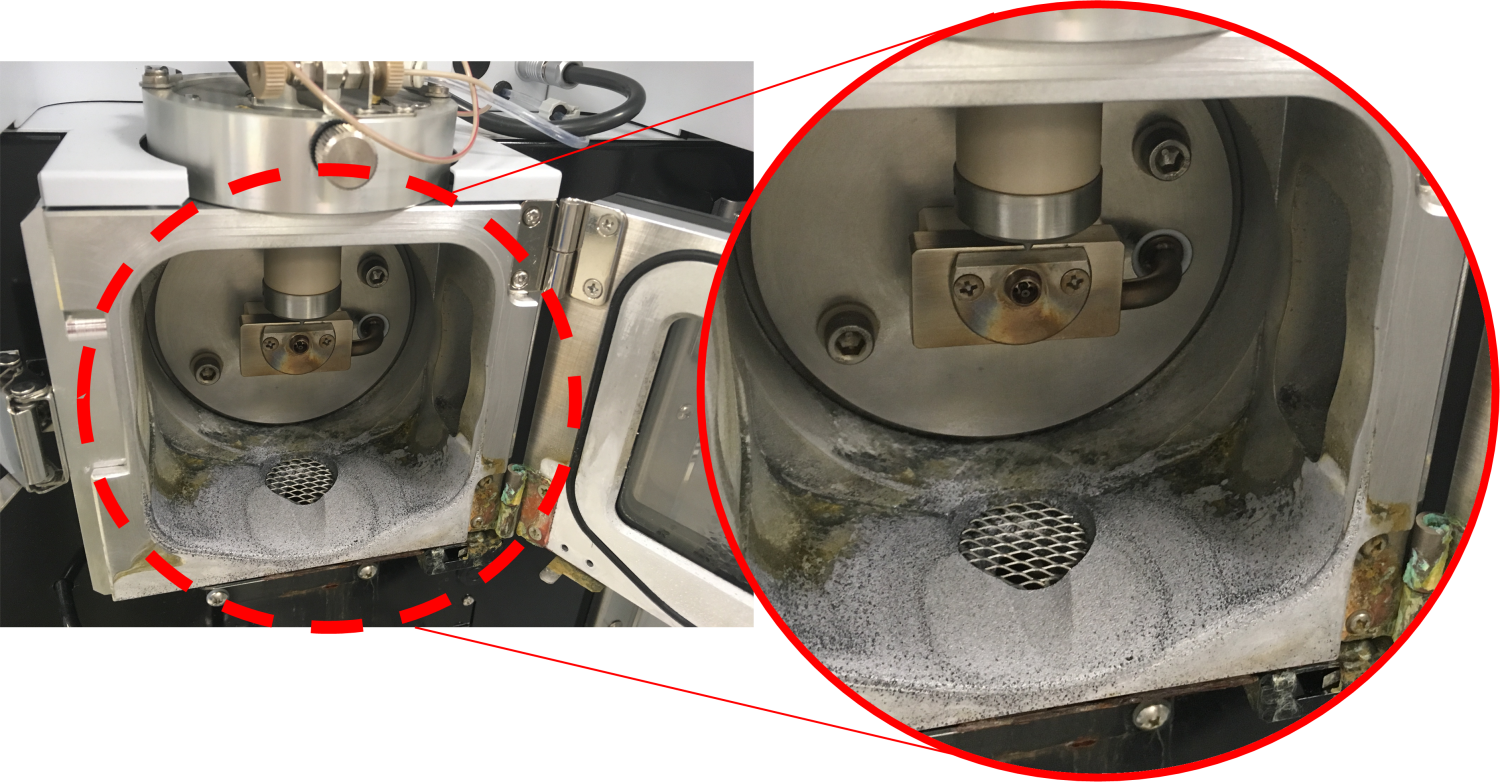
Fig. 1 Contaminated Ion Source Interface with non-volatile mobile phase additive
That is all for this week. Hopefully, this section has shown the various common sources of contamination within the LCMS and ways to mitigate against these issues. Next week, we shall be covering the large topic of retention time fluctuations and how to combat this issue.
Your Shimadzu LCMS Team
Next week's units will be delivered directly to your inbox according to your weekly schedule, but if you can't wait and would prefer to continue with the course now, click here.
Related Resources
-
-
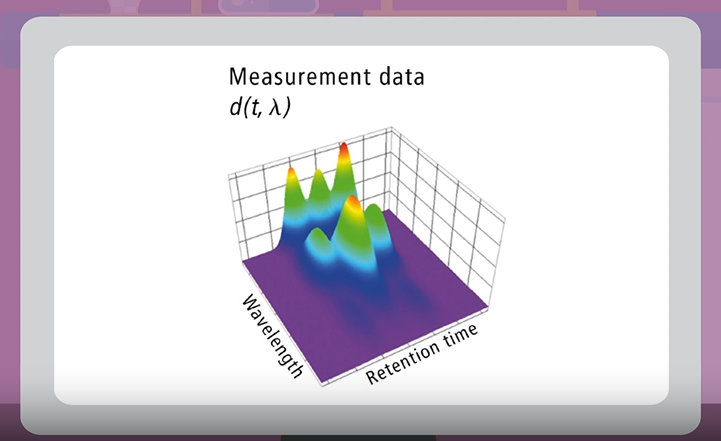
Watch short videos explaining analytical intelligence features of Shimadzu HPLC systems
-